Imitation lies at the heart of our lives. We can do almost nothing without first imitating it. This recognition, which should encourage us to be more humble, is the foundation of our pride. As if we could boast of imitating well.
We can only create in our own image, so we create robots that imitate us. Artificial intelligence learns from us every day we use it, much like a young child copying their parents' actions. The machine copies our style, our intonation, our habits, through the computer for now, but soon through our lifestyles. We are constantly being spied on. But if robots copy us, who are we copying? No one anymore, since we have become our own benchmark. Humans copy themselves, they find models and draw inspiration from them, but their thirst for the absolute is quenched elsewhere, in what they don't know and what haunts them. They have always sought something greater than themselves.
Robots accomplish what is copied without experiencing it. How could a robot copy a man in prayer? What would it gain from that? To do as we do, better than us, for most intellectual and knowledge-based tasks. But for everything else, what added value does the robot bring? It only improves what we allow to be seen and heard. It improves the statistics.
Modern self-perfection resembles a balloon. Humanity caricatures itself and becomes stupid at the same time. We fear what might happen: the reign of statistics everywhere, all the time, gradually replacing an enchanted world that is disappearing before our very eyes, and we can do nothing about it. Everywhere poetry was once reflected by a touch of soul, we are now subjected to figures, records, comparisons… We are intoxicated by numbers that corrupt one another to the point of nausea. “I have nothing to do with the creaking machinery of humanity: I belong to the earth!” Henry Miller cried, joining Bernanos and his “the machine steals your soul, and you don’t even see it.” Yes, technology steals the soul of humankind, because it covets it! She knows that man possesses an absolute treasure, a skill she can never acquire, this soul that people still speak of while swooning, even though almost no one knows its true meaning anymore.
One of the worst modern expressions, "Being the best version of yourself," mystifies the essence of life by ossifying it. Our fulfillment does not depend solely on our will. Nothing is worse than believing that we shape our lives. One of the greatest modern illusions is believing that we are our own origin. Humankind has always aspired to something better, knowing that we are made in God's image and called to participate in another life, a divine life, and convinced that only the quest to imitate our Creator is worthwhile. First, because He asks it of us, and second, because through imitating Him, and therefore drawing closer to Him, Heaven is promised to us.
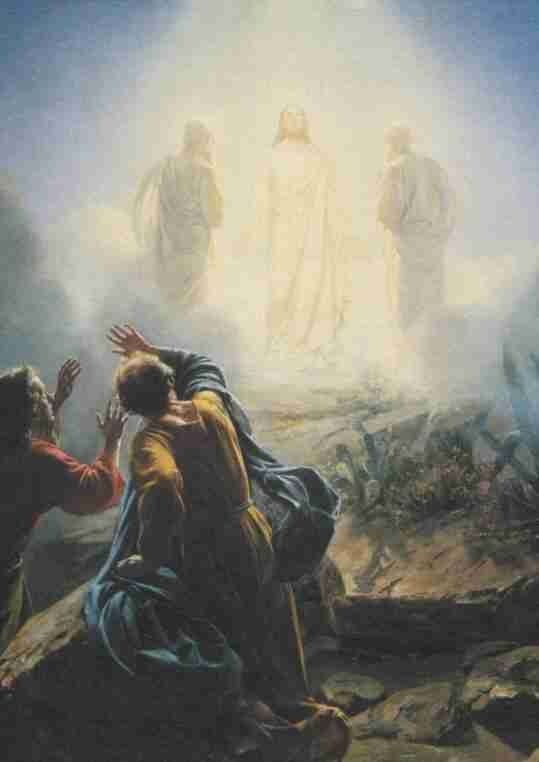
If we allow technology to steal our souls, we will never be free again. Hence the prophecies about a world ruled by robots. The risk exists only because we will have participated in it. Robots reproduce our works, but they are not conscious of God and will never consent to be transformed into the image of Christ. This is what the Feast of the Transfiguration today proclaims. If we think about it, robots imitate us and will do most of our activities better than we can. We can imitate Christ to live in God's love. Will we be able to be transfigured to draw closer to Christ? Robots will imitate us better than we can ourselves; will we be able to imitate Christ?
Learn more about Against the Robots
Subscribe to get the latest posts sent to your email.
