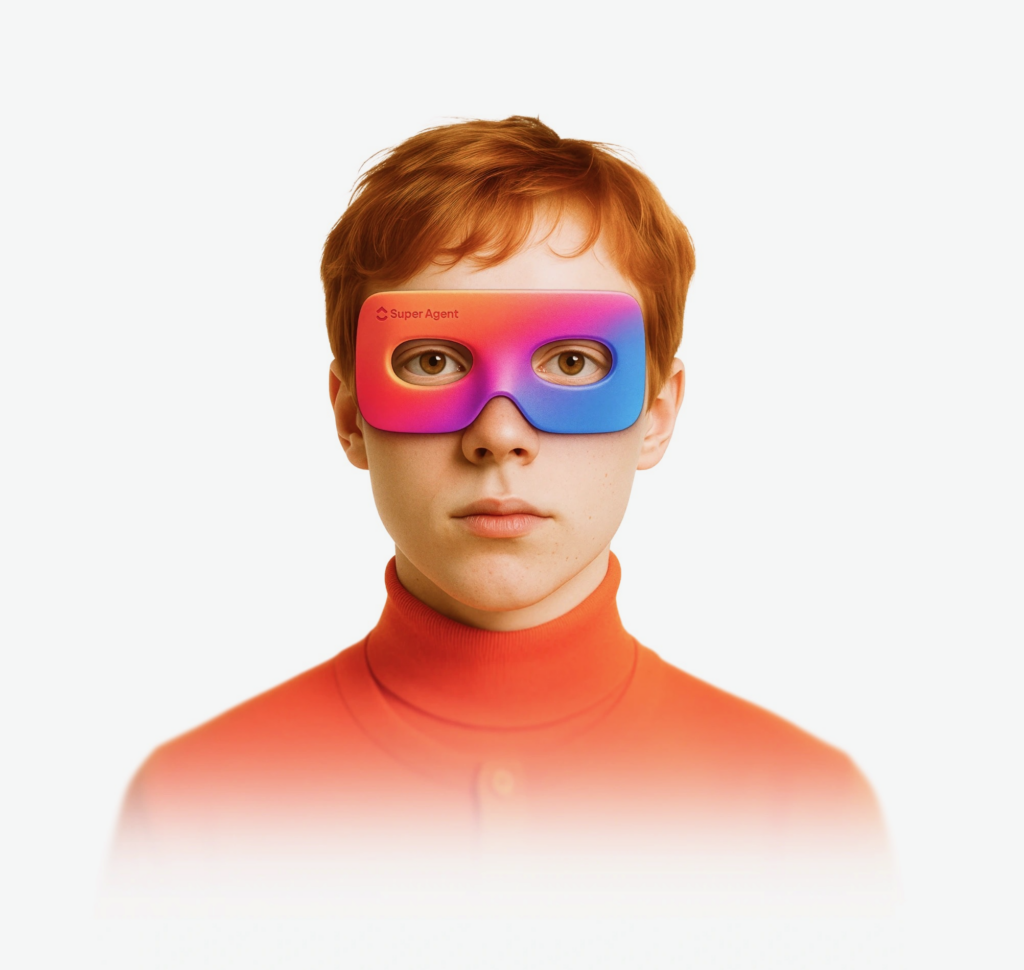
Artificial intelligence is becoming an unavoidable topic. We anticipate the moment when machines will become more intelligent than humans, and humanity will discover that it no longer dominates creation. Yet, our obsolescence will not begin when machines think better than us, especially since they already do. We can create agents that know their function perfectly in three minutes of configuration, whereas it would take a human ten years of study. Obsolescence begins when we give up thinking, judging, and dreaming.
Servitude settles in like an oil slick: not through violence, but through comfort. The machine doesn't tire. It doesn't doubt. It isn't shaken by reality. It responds quickly, decides, and reassures instantly. And we, who are slow, hesitant, contradictory, end up mistaking this very thickness that characterizes us for a flaw. Modern man doesn't just hate his limitations: he's ashamed of them.
For a long time, humanity grew by confronting its limitations. It knew it was not its own measure. Life and vocation were given to it. Then, humanity sought to break free from all hierarchical structures. By denying God, it not only rejected a belief; it rejected the authority to order, elevate, and judge it. This horizontal system, which recognized no authority but itself, is now exhausted. Artificial intelligence is bringing humanity back to itself and imposing a destiny in place of freedom.
Now that he has created an entity more intelligent than himself, what remains for man? He who has denied his intimacy with God (something no artificial intelligence could ever have known)?
This is the crucial point. Artificial intelligence can already write acceptable poetry, it will make a credible medical diagnosis, and it will offer admirable marriage advice. And we will prefer its speed and usefulness. What will be left for humankind? Any delay will seem unbearable in a world saturated with technology. Let us try not to call progress what is often merely impatience elevated to a system.
Georges Bernanos foresaw this downward spiral long before us: “The danger lies not in the proliferation of machines, but in the ever-increasing number of people accustomed, from childhood, to wanting nothing more than what machines can provide” (France Against the Robots). The statement remains striking: no longer is man surpassing man, but technology is surpassing man… And so, what is left for man? Crumbs under the table, like for little dogs? Is the risk of desiring nothing but comfort looming? Until now, the modern technological world has been interpreted by man only in this way, since he no longer places his treasure in God.
Scripture, when it speaks of idols, is uncompromising: “For a man made them, and he who was breathed fashioned them. No man could make a god like him” (Wisdom 15:16-17). By loving our tools too much, we will no longer see them as such, and we will worship them for their power. The will to power constantly lies in wait for us. It must not be confused with the added dimension of soul that reflects what escapes artificial intelligence. Human obsolescence cannot become just another technological hypothesis. It must resonate as a spiritual temptation, as the possible end of desire.
Learn more about Against the Robots
Subscribe to get the latest posts sent to your email.
