Alvaro Mutis is a truly great writer and, what's more, one of my dearest friends. Since he hasn't published any books for a few years now, I thought I'd pay him a small tribute through quotes from "The Last Stop of the Tramp Steamer," a short novel brimming with the grace that reading Alvaro Mutis brings. A perfect way to rediscover this Colombian writer.
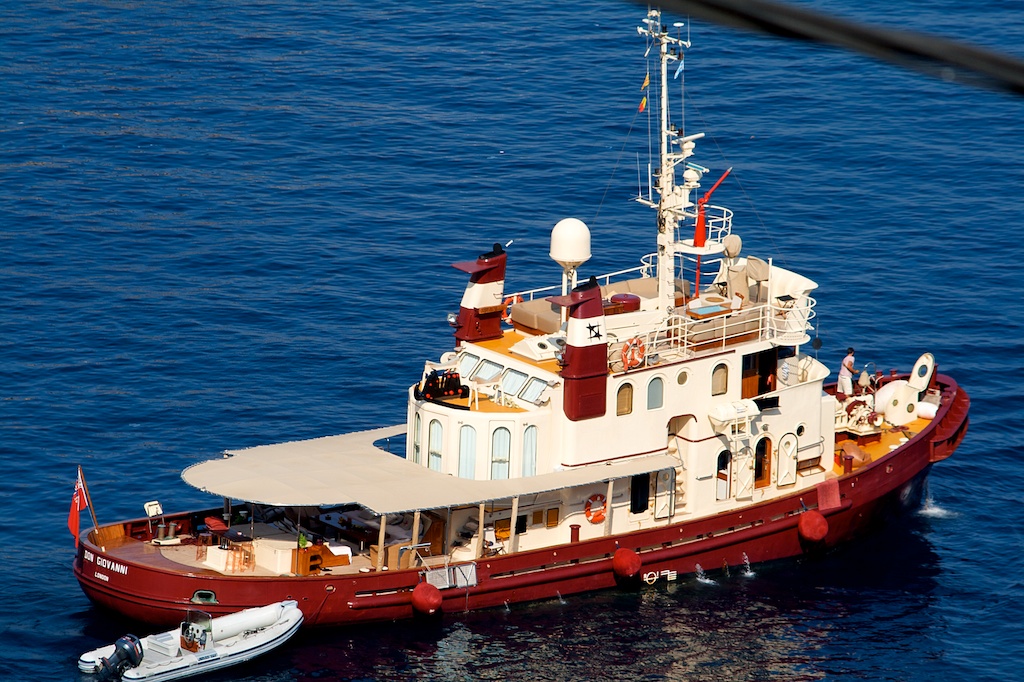 P 39. The loudspeaker announced that the minor malfunction had already been rectified — why, I often wondered, do they have to violate the language when they have technical doubts?
P 57. When one of these images returns with the fierce intention of persisting, what scientists call an epiphany occurs. An experience that can be devastating, or simply confirm certain assurances that are extremely useful for continuing to live.
P 62. There is nothing strange about that. Sharing, even fleetingly, a landscape or a place from our childhood makes us feel like family.
P 70. Don't trust it. We must always be prepared for these surprises, which usually ripen and burst to the surface without our having perceived the process. These are things that began long before.
P 74. In my current task, I am only putting my body into it. It's not that I've lost everything. It's that I've lost the only thing worth betting against death on.
P 75. We have been on this journey together for a very long time, from much further away.
P 79. In truth, Jon Iturri has ceased to exist. Nothing can affect the shadow that travels the world under his name.
P115. But, finally, we arrive in Europe with very naive eyes. For many years now, our long history has turned into a kind of weariness, exhaustion, and weakening, due to customs and ideas that no longer even help us to live on our own land.
P 125. The only thing that has often preserved me from the desire to die is the thought that this image will disappear with me.
P135. Yes, now I drink vodka and make love with a roumi, but every day I feel further away from Europe, less interested in it, and I understand better my brothers who travel to Mecca without knowing how to read or write, without knowing wine, resigned as they are to the punishment of the desert.
P 150. That's when I started to worry. I know very well what the phrase "Don't worry" means in this country. It should be understood as: "If something happens to us, there's nothing to be done, so there's no point in worrying."
P 155. On this occasion, as on previous ones, he avoided any phrase that could be interpreted as self-pity. There was, of course, not a trace of pride in this. He did it out of simple modesty, out of that trait that the French of the 18th century elegantly called nobility of heart.
p. 156. The separation in Kingston couldn't be the last. All the things I hadn't told him during our life together were piling up in my mind. They seemed then of little importance and almost pointless; our gestures, our erotic relationship, our shared sympathies and phobias made words superfluous. Now, they were exerting their hold again, with an imperious insistence.
P 159. It's simply that, given the naturally fluid nature of her writing, reading it aloud would be a bit like hearing her voice. I couldn't bear it.
P 159. The same old story, finally, when you start from a distortion of reality and take your desires for indisputable truths.
P 160. She learned from me that people are the same all over the world, and that they are driven by the same petty passions, the same sordid interests, as ephemeral and similar under all latitudes.
P 163. Men, I thought, change so little, continue to be so much themselves, that there is only one love story since the dawn of time, which repeats itself infinitely, without losing its terrible simplicity, its irremediable misfortune.

Leave a comment